Free · Not Official DVSA Content
Theory Practice
Short, medium and long practice quizzes covering the same topic areas as the real motorcycle theory test — Alertness, Attitude, Safety Margins, Hazard Awareness, Vulnerable Road Users, Vehicle Handling, and more.
These are original practice questions written by Elite Bikers from the Highway Code and our own training material — not the official DVSA question bank, which is confidential and licensed separately. Use this for revision alongside, not instead of, official DVSA-approved resources before booking your real test.
Pick a Length
Start a Practice Quiz
Questions are drawn at random from our question bank each time, so no two attempts are quite the same.
Short
A quick refresher — good for a spare five minutes.
Medium
A broader spread across every topic area.
Long
The same length as the real Category A theory test.
Bonus · Original Diagrams
Spot the Hazard
The real test has a separate, video-based hazard perception section, which is also DVSA's own proprietary material. This is a simplified version using our own diagrams, just to get you thinking the right way.
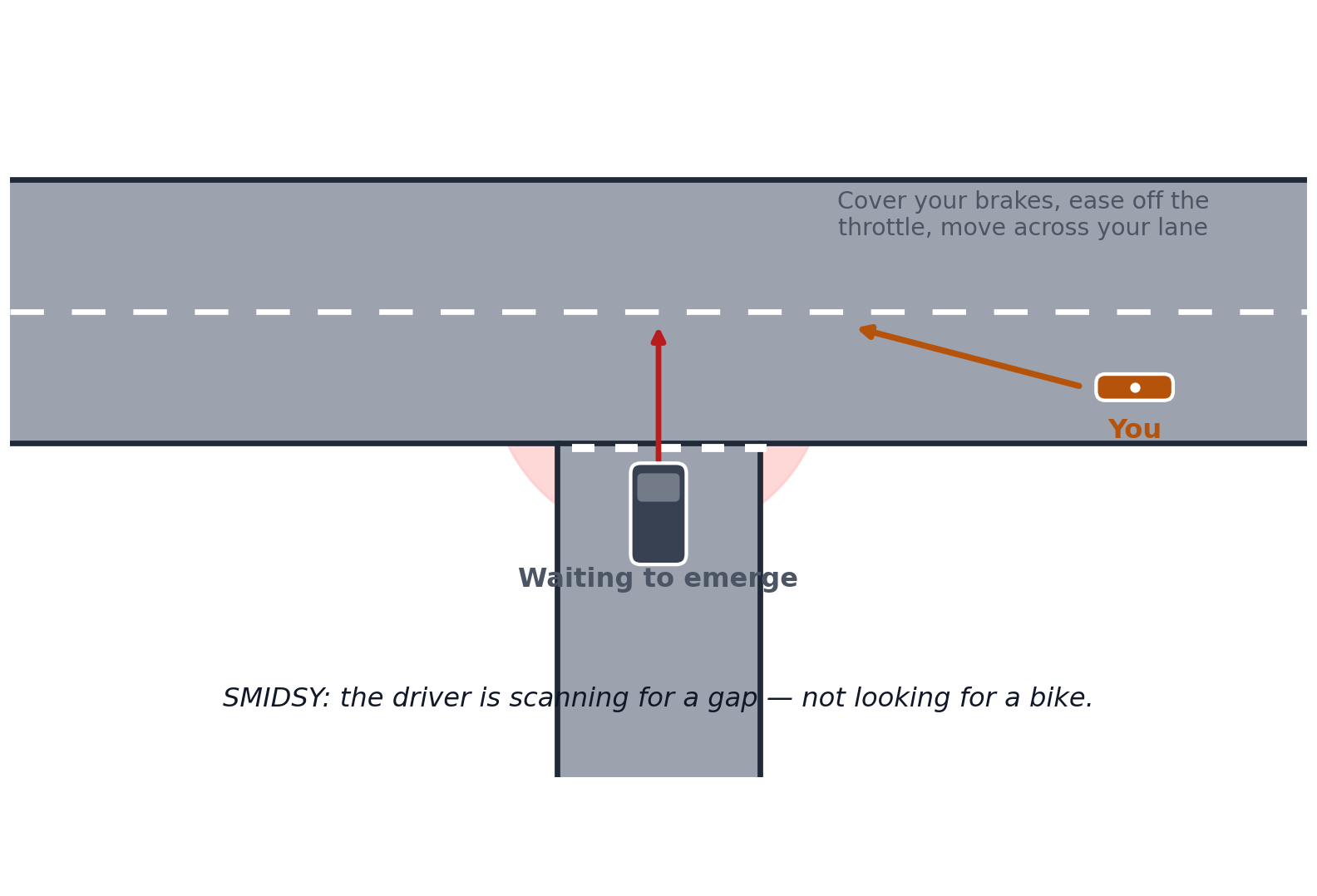
What's the developing hazard here, and what should you do?
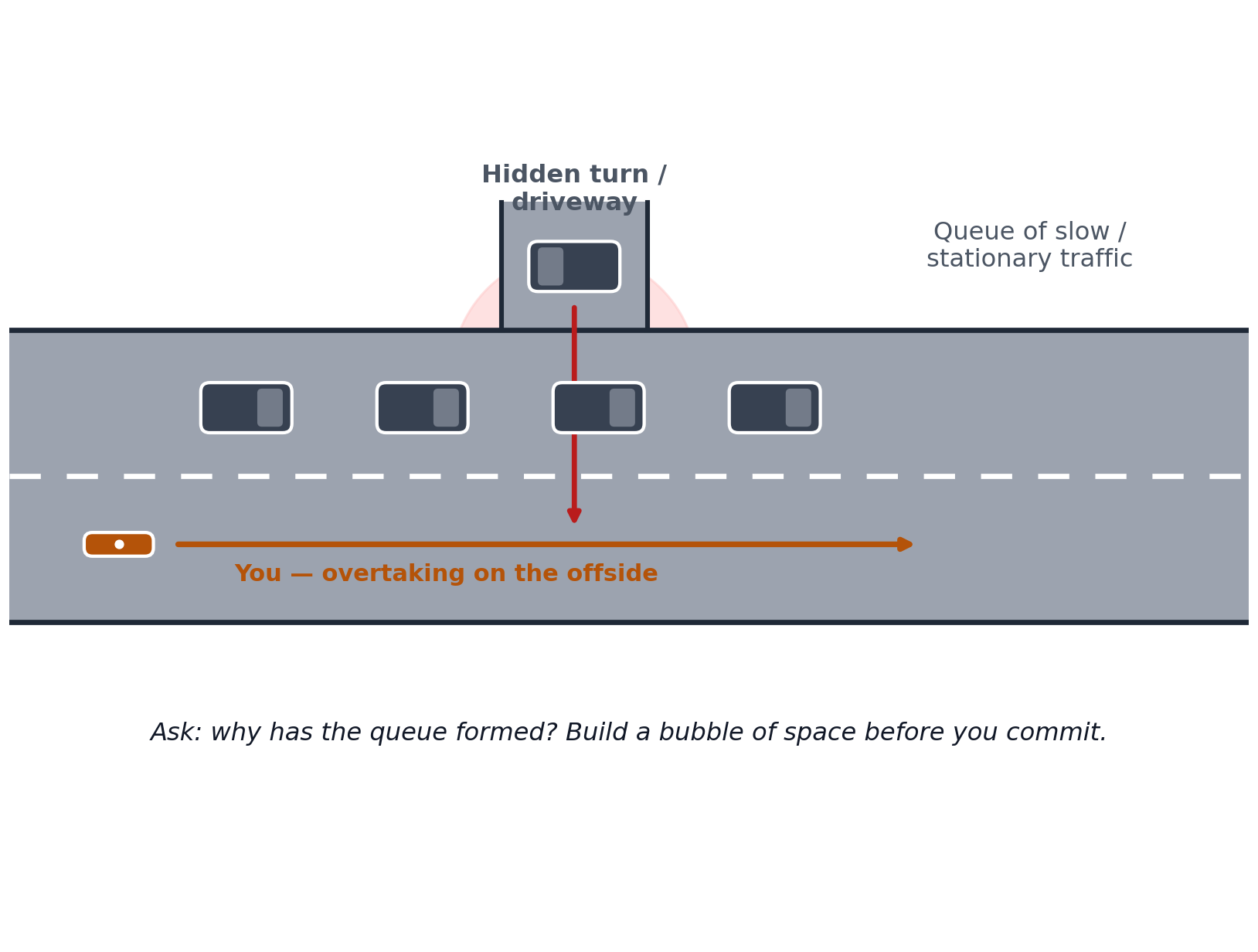
What's the developing hazard here, and what should you do?
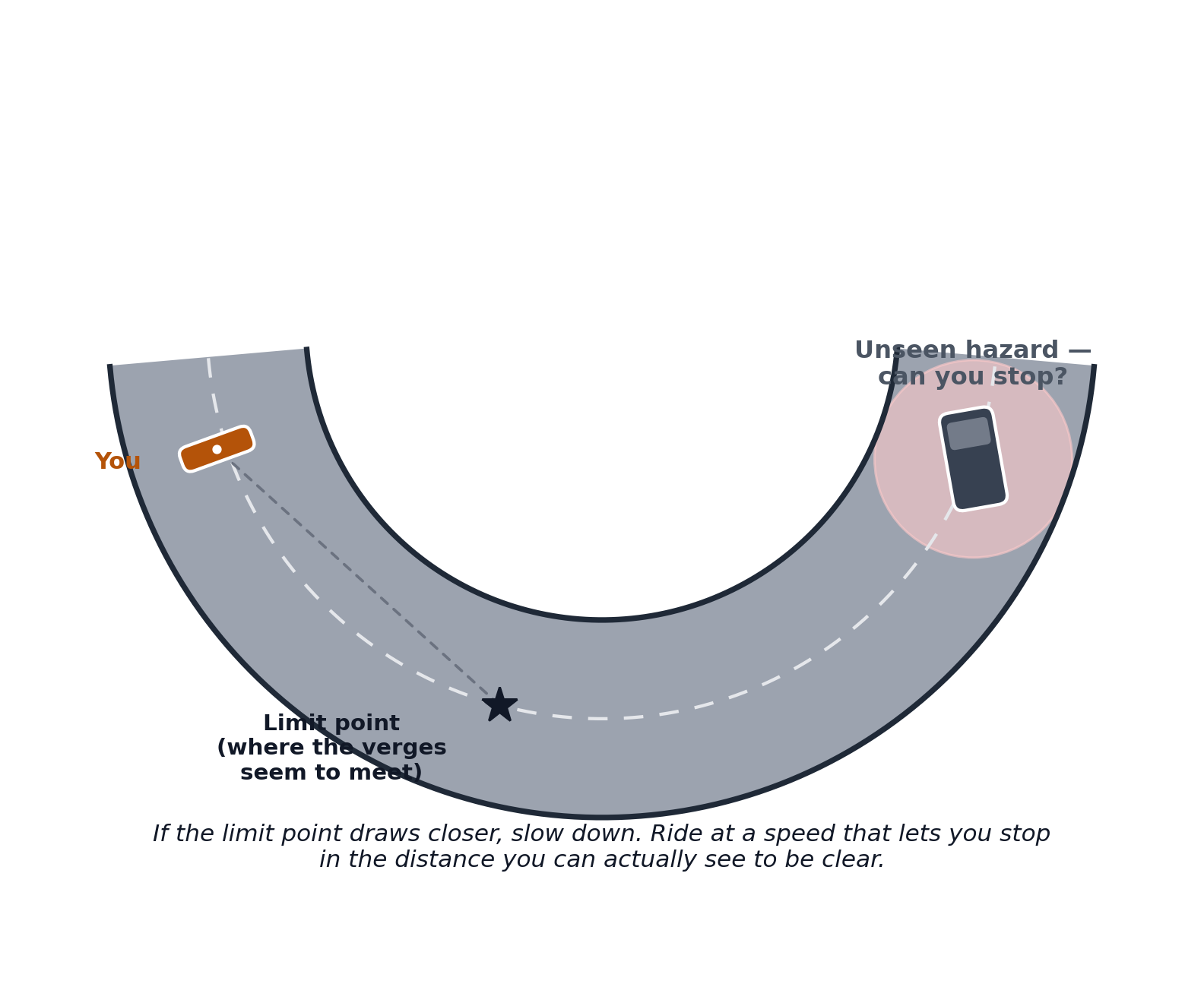
What's the developing hazard here, and what should you do?
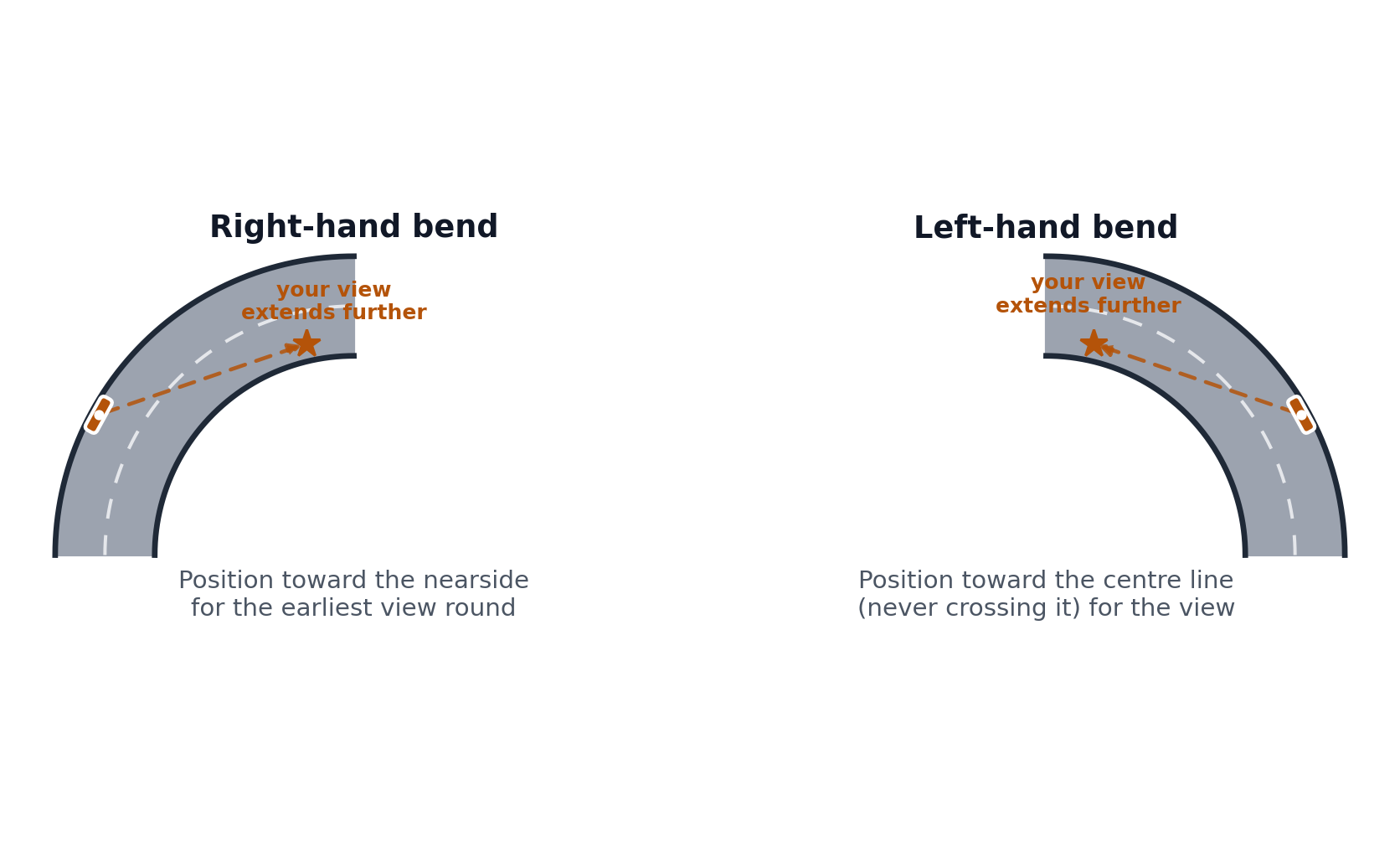
What's the developing hazard here, and what should you do?
Ready for the real thing?
Nothing replaces time with a qualified instructor
These quizzes are a revision aid, not a substitute for proper training. Book an Enhanced Rider Scheme session, an assessment, or a refresher day.
View courses & prices